If you renewed your car insurance recently and the number was higher than you expected, you are not imagining it. Nevada is the most expensive state in the country for auto insurance in 2026, with full coverage averaging around $335 per month statewide. The national average is $208 per month. That gap is not an accident, and it is not going away soon.
Here is what is actually driving the cost, and what affects your specific rate.
Nevada Is the Most Expensive State for Car Insurance
A 2026 report from ValuePenguin identified Nevada as the highest-cost state in the country for full coverage auto insurance. Nevada saw a 13.65 percent rate increase in 2025, followed by a further 6.42 percent increase in 2026, the second-steepest increase in the nation. Over 500,000 Nevada policyholders received rate increase notices at the start of 2026 alone.
This is not a problem isolated to a single insurer or a short-term spike. It reflects several structural conditions in Nevada, and particularly in Las Vegas, that push premiums up year after year.
The Factors Driving Las Vegas Rates Higher
1. Accident Volume Is High
Clark County logs over 20,000 vehicle crashes annually. That is a consistent, measurable figure tied directly to the conditions on Las Vegas roads: a 24-hour traffic environment, tourist and out-of-state drivers unfamiliar with local roads and intersections, high-volume corridors like Interstate 15 and the Las Vegas Strip, and aggressive commuter patterns during shift changes for the hospitality industry.
More crashes mean more claims. More claims mean higher premiums for everyone in the region. Insurance is priced on risk pools. When the pool is expensive, every driver in it pays more.
2. A High Rate of Uninsured Drivers
Approximately 11 percent of Nevada drivers are uninsured. When an uninsured driver causes an accident, the insured driver’s own uninsured motorist coverage has to absorb the claim. And when an uninsured driver is at fault and has no way to pay, those losses get distributed across the insured population through higher rates.
Nevada’s uninsured motorist rate is significantly higher than the national average of around 13 percent in most recent estimates. If you drive in Las Vegas, the statistical likelihood that another driver on the road is uninsured is real, which is why uninsured motorist coverage matters.
3. Tourism Creates a Unique Risk
Las Vegas sees tens of millions of visitors per year. Many of them rent cars. Rental drivers are less familiar with local roads, less attuned to local traffic patterns, and statistically more likely to be involved in minor collisions. The Strip, the resort corridors, and parking structures around major casino properties are consistent sources of property damage claims that affect local rates.
This is a cost that Las Vegas residents absorb by living in a tourist-dense market. It shows up in your premium whether you drive near the Strip or not.
4. Weather Adds to Comprehensive Claims
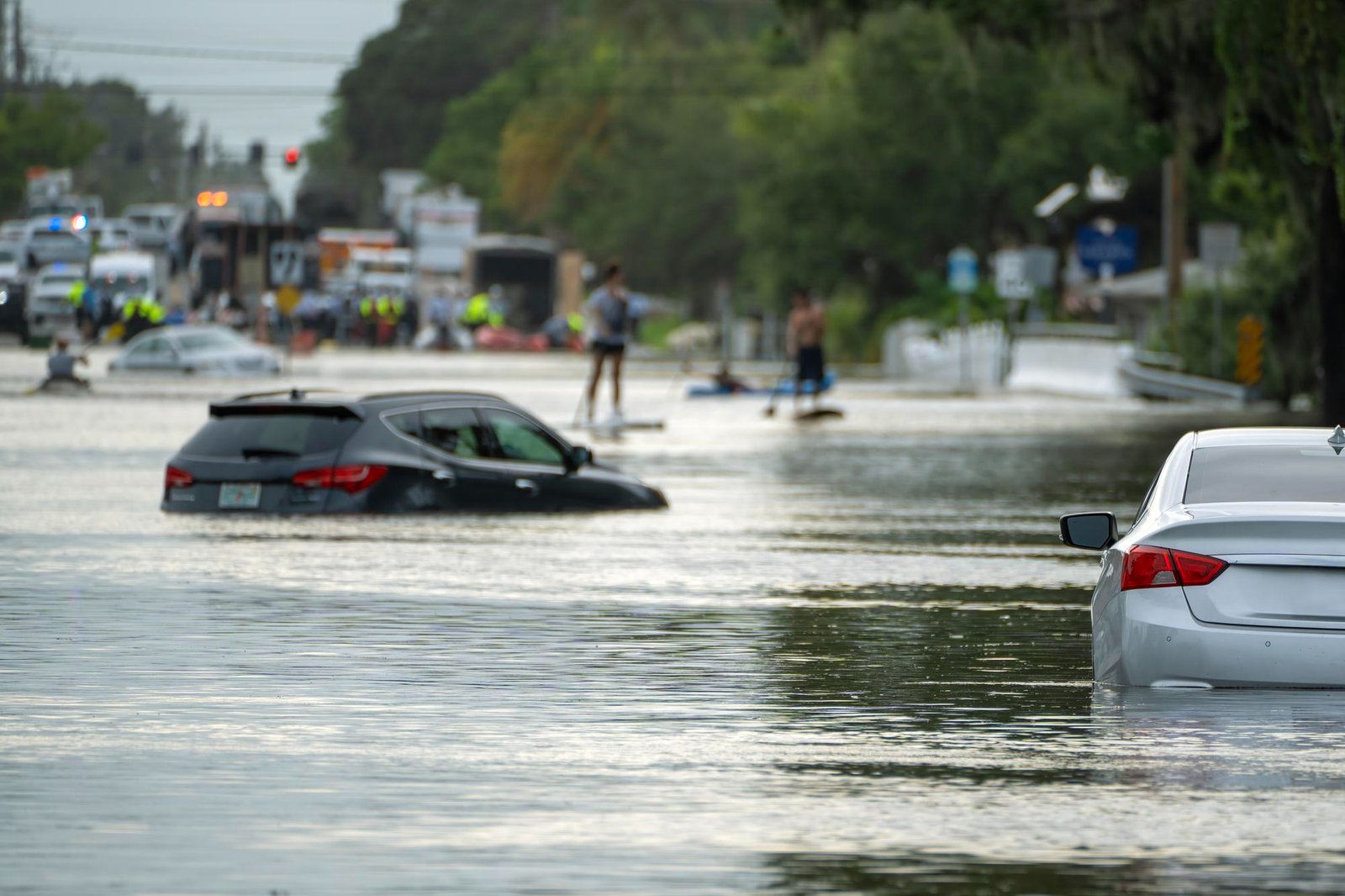
Las Vegas has specific weather conditions that drive comprehensive insurance claims. Summer temperatures regularly exceed 110 degrees Fahrenheit, which accelerates wear on tires and mechanical systems and increases the likelihood of roadside breakdowns. Monsoon season from July through September brings flash flooding across the valley. Water entering vehicles during floods, debris from high winds, and hail during spring storms all contribute to comprehensive claim frequency.
Comprehensive coverage pays for vehicle damage not related to collisions, and the Las Vegas environment generates enough of these claims to affect how insurers price the coverage locally.
5. Rising Repair Costs
Modern vehicles are more expensive to fix. Cameras, sensors, parking assist systems, lane-departure warnings, and the electronics that drive these features have made even minor repairs significantly more costly than they were five years ago. An industry-wide increase in parts and labor costs has made every collision claim more expensive to settle, which pushes premiums up across all carriers.
What Actually Affects Your Specific Rate
State and city averages tell you where you stand relative to other markets. What determines your personal premium is a different set of factors:
Your driving record. At-fault accidents and moving violations have the largest single impact on your premium. A clean record is the most direct way to keep costs manageable.
Your vehicle. High-theft vehicles and vehicles with expensive parts cost more to insure. Electric vehicles, which have higher repair costs tied to battery and sensor systems, are typically priced higher for comprehensive and collision coverage.
Your ZIP code. Even within Las Vegas, rates vary by neighborhood. Areas with higher theft exposure or higher collision frequency carry higher premiums.
Your credit-based insurance score. Nevada permits insurers to use a credit-based insurance score when pricing auto policies. Drivers with good credit typically pay significantly less than drivers with poor credit for the same coverage.
Your deductible. Choosing a higher deductible lowers your monthly premium. The right deductible depends on how much you could comfortably cover out of pocket if you had to file a claim.

What You Can Do About It
The market conditions driving Nevada’s rates are not going away in the short term. But your individual rate is not fixed. Maintaining a clean driving record, reviewing your coverage level, asking about multi-policy discounts, and working with an agent who can check your situation across multiple coverage options are all legitimate ways to ensure you are not overpaying for the protection you need.
If you have not had your auto insurance reviewed recently, now is a reasonable time to do it. Rate increases affect your renewal, and your circumstances may have changed in ways that work in your favor.
The Sakha Agencies team covers auto insurance in Las Vegas and serves Nevada and Oregon drivers from local offices. We offer consultations in English and Spanish. Call us at (702) 726-3110 or reach us through our contact page.