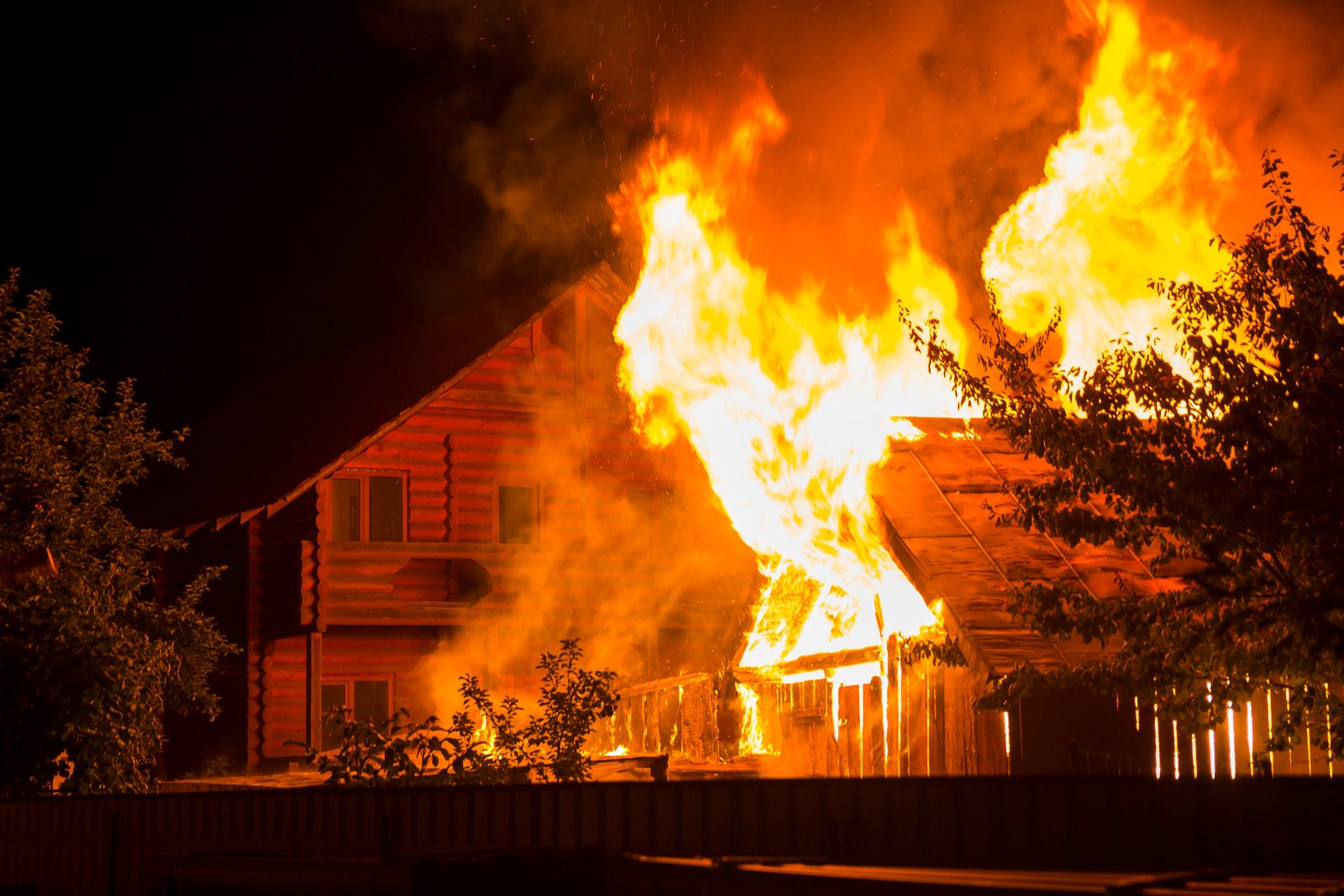
Standard homeowners insurance in Nevada used to cover wildfire damage as a matter of course. As of January 1, 2026, that is no longer guaranteed. A new state law has changed the rules in a way that most Nevada homeowners have not yet heard about, and the gap it creates is real.
Here is what changed, what it means for your home, and what you should do right now.
What Nevada Assembly Bill 376 Actually Does
In June 2025, the Nevada Legislature passed Assembly Bill 376. It took effect on January 1, 2026. Under this law, insurance companies operating in Nevada are now legally permitted to remove wildfire coverage from standard homeowners policies entirely.
Before this law, wildfire was bundled into a standard policy as a covered peril. If a fire reached your neighborhood, your insurer was responsible for the loss. That assumption no longer holds.
Insurers now have two options under AB 376. They can separate wildfire into a standalone product that homeowners must purchase and pay for separately, or they can stop offering wildfire coverage altogether. There is no requirement that they offer wildfire coverage at all.
Nevada is the first state in the country to pass a law that explicitly permits this kind of exclusion on standard homeowners policies.
Why the Legislature Did This
The bill was not passed without reason. Nevada’s home insurance market has been under significant pressure since 2020.
By 2023, total home insurance cancellations and non-renewals in Nevada had reached nearly 158,000, according to the Nevada Division of Insurance. That same year, 481 homeowner policies were canceled specifically due to wildfire risk, an 82 percent increase from the previous year. Insurer denials of coverage due to wildfire risk more than doubled. Nevada home insurance rates climbed 21 percent between 2018 and 2024.
Insurers were threatening to exit the Nevada market entirely. AB 376 was passed to give them enough flexibility to stay. Whether it succeeds at that goal, or simply shifts the risk from insurers to homeowners, is still an open question.
Why Las Vegas Homeowners Cannot Ignore This
Las Vegas sits in a desert, but that does not mean wildfire is a distant concern. The wildland-urban interface in the Las Vegas Valley, the Spring Mountains to the west, and areas like Summerlin and Red Rock Canyon put thousands of homes within range of brush fires. Nevada has more wildfire-prone land than most Americans realize.
Beyond direct fire risk, wildfire smoke can cause significant property damage that insurers count as a wildfire-related claim. If your policy no longer covers wildfire as a peril, smoke damage may not be covered either.
Critically, Nevada has no FAIR Plan. California, Texas, and Florida each built government-backed insurance programs to serve homeowners who cannot find coverage in the private market. Nevada built none. If your carrier removes wildfire coverage and no standalone policy is available at a price you can afford, there is no state safety net to fall back on.
What You Need to Do Right Now
Step 1: Pull out your declarations page. This is the first page of your homeowners policy, usually a one or two-page summary of your coverage. Look for wildfire listed as a covered peril. If it is not there, your coverage may have already changed.
Step 2: Check your renewal paperwork carefully. If your policy renewed in 2026, any changes to wildfire coverage would be disclosed in the renewal documentation. Read through it line by line, not just the premium amount.
Step 3: Ask your agent directly. Do not assume. Ask your insurance agent whether wildfire is still covered on your current policy, whether your carrier has used the exclusion, and what your options are if it has been removed.
Step 4: If you are not covered, ask about a standalone wildfire policy. Some carriers are now offering wildfire coverage as a separate endorsement or policy. Availability and pricing vary significantly. A local agent can tell you what options exist for your specific address and risk profile.

The Bigger Picture
What Nevada has done is an experiment. AB 376 was framed as a four-year pilot to test whether giving insurers more flexibility would stabilize the market. But consumer advocates have noted that the final law contains no built-in expiration date. The change is permanent until the legislature acts again.
For homeowners in Las Vegas and across Nevada, the practical lesson is simple: what your home insurance covered last year may not be what it covers today. Read your policy. Ask questions. Do not wait until you need to file a claim to find out what is missing.
If you have questions about your current home insurance coverage or want a policy review from a licensed Las Vegas agent, the Sakha Agencies team is available at (702) 726-3110 or through our contact page. We serve Nevada homeowners in English and Spanish and have been doing so since 2016.