On June 26, 2026, the Nevada Division of Insurance urged Nevadans to evaluate their flood risk and explore flood insurance options following recent flooding events across the state. If you own a home in Las Vegas and your first instinct was to check whether you are covered, this post is for you.
The short answer is: standard home insurance does not cover flood damage. Not one dollar of it.
Why Las Vegas Has Real Flood Risk
The common assumption about Las Vegas is that flooding isn’t a desert concern. That assumption is wrong, and it costs homeowners money every year.
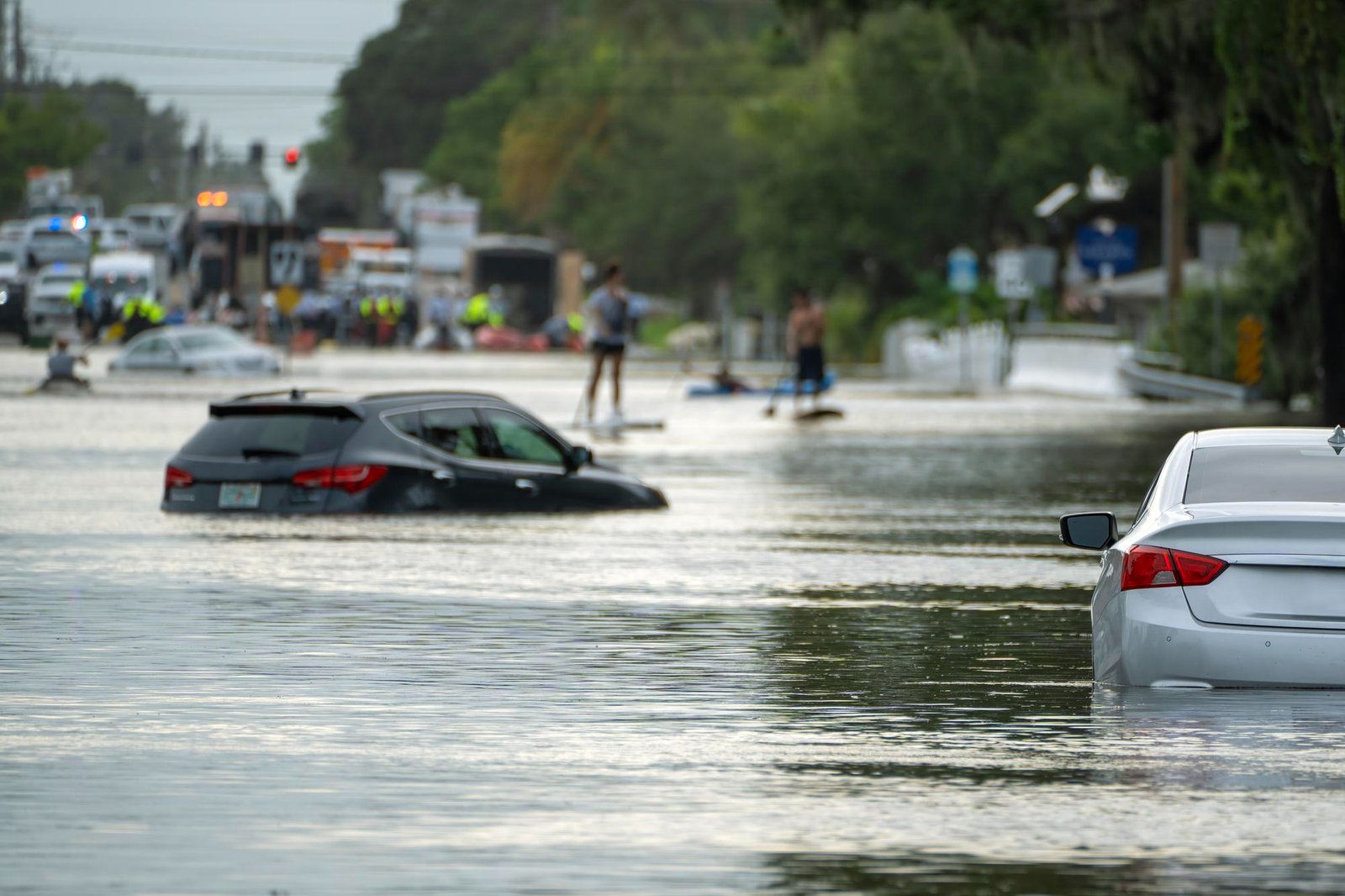
Las Vegas receives most of its annual rainfall in concentrated bursts during monsoon season, which typically runs from July through September. The valley’s naturally hard, compacted desert soil cannot absorb water quickly. When rain falls faster than the ground can take it in, water moves across the surface in sheets, fills arroyos, and rushes through drainage channels at speed.
This is what makes flash flooding in Las Vegas different from flooding in wetter climates. It is sudden, unpredictable, and does not require sustained rainfall. A storm 20 miles away can send water through a neighborhood that never saw a drop of rain that day.
FEMA estimates that Clark County’s annual expected loss from inland flooding exceeds $362 million. Clark County has been included in three federal flood-related disaster declarations. Since 1978, Las Vegas properties have filed 626 National Flood Insurance Program claims totaling $9.3 million in payouts. And FEMA’s own data notes that roughly 20 percent of flood events happen in areas designated as low-risk on flood maps. Being outside a flood zone is not a guarantee.
What Standard Home Insurance Actually Covers
A standard homeowners policy, the HO-3 that most Nevada homeowners carry, covers water damage in one specific scenario: when water enters your home from above, such as rain through a damaged roof or a burst pipe. That type of water damage is covered.
What it does not cover is water entering your home from outside and below. Flash flood water flowing through your front door, monsoon runoff seeping under your foundation, or rising water from a storm channel overflowing its banks are all excluded from a standard policy.
This is not a technicality buried in fine print. The Nevada Division of Insurance has been explicit about this: standard homeowners and renters insurance does not cover flood-related damage to your house or personal belongings, regardless of the cause. Even if your neighborhood is declared a federal disaster area after a flood, federal aid typically comes in the form of low-interest loans, not direct payment for your losses.

The Specific Risks in Las Vegas Neighborhoods
Different parts of the Las Vegas Valley carry different flood exposure. Homes near the Las Vegas Wash, Flamingo Wash, or low-lying areas in the east valley are at elevated risk. Neighborhoods near Red Rock Canyon and the Spring Mountain foothills face runoff from higher elevation during storms. Properties near arroyos, even those that run dry 11 months of the year, are vulnerable when monsoon activity is heavy.
Several ZIP codes in Las Vegas carry FEMA flood zone designations including Zone AE (areas at high risk of flooding) and Zone AO (areas subject to sheet-flow flooding across flat terrain). If your home sits in one of these zones and you have a mortgage, your lender may already require you to carry flood insurance. If you own your home outright, that requirement does not exist, but the risk still does.
How to Get Flood Coverage in Nevada
Flood insurance is available to Nevada homeowners through two main channels.
The National Flood Insurance Program (NFIP): This is a federal program administered through FEMA. Most insurance companies that offer standard homeowners policies in Nevada also offer NFIP-backed flood policies. Residential coverage under the NFIP covers up to $250,000 for the structure of your home and up to $100,000 for personal belongings. NFIP policies typically take 30 days to go into effect, so waiting until a storm is approaching is not an option.
Private flood insurance: In recent years, private insurers have entered the flood insurance market with policies that sometimes offer higher limits, broader coverage, and faster effective dates than the NFIP. Availability depends on your property’s location and risk profile.
The right choice between the two depends on your home’s specific location, the flood zone designation, your dwelling value, and your tolerance for the gap the NFIP’s $250,000 limit might leave for higher-value homes. A licensed agent can walk you through both options.
What to Check Before Monsoon Season
If you are not sure whether you have flood coverage, the answer is almost certainly no unless you purchased it specifically. Here are three things to confirm before the next storm:
Check your declarations page. Flood coverage would appear as a separate policy or endorsement, not as part of your standard homeowners policy. If it is not there, you are not covered.
Look up your property’s flood zone. FEMA’s flood map tool at msc.fema.gov allows you to enter your address and see your designated flood zone. It is a free, two-minute check.
Talk to your agent about your specific address. Flood risk in Las Vegas varies street by street. An agent who knows the local terrain can tell you whether your property’s exposure warrants a separate policy and walk you through the NFIP and private options available to you.
The Sakha Agencies team serves Las Vegas homeowners in English and Spanish. If you want a policy review or have questions about flood coverage for your specific address, call us at (702) 726-3110 or visit our contact page. We have been protecting Las Vegas families since 2016.